Dog Dentistry: How Dental Care Affects Your Dog's Overall Health




The Importance of Dental Health for Your Dog
At Love Animal Hospital & Urgent Care, we understand that dental health is crucial for your dog’s overall well-being. Poor dental hygiene doesn’t just affect your dog’s mouth; it can impact their entire body. Dr. Ryan Smith, DVM, explains, “Dental disease can be painful for your dog and may lead to more serious health issues. Infections along the gum line can release bacteria into the bloodstream, potentially causing heart and kidney problems.”
Unfortunately, dogs won’t tell us when they have a toothache. They often learn to live with the pain, which can be distressing for any pet owner. That’s why regular dental check-ups are so important.

The Importance of Dental Health for Your Dog
At Love Animal Hospital & Urgent Care, we understand that dental health is crucial for your dog’s overall well-being. Poor dental hygiene doesn’t just affect your dog’s mouth; it can impact their entire body. Dr. Ryan Smith, DVM, explains, “Dental disease can be painful for your dog and may lead to more serious health issues. Infections along the gum line can release bacteria into the bloodstream, potentially causing heart and kidney problems.”
Unfortunately, dogs won’t tell us when they have a toothache. They often learn to live with the pain, which can be distressing for any pet owner. That’s why regular dental check-ups are so important.
Caring for Your Dog’s Teeth at Home
We recommend bringing your dog in for a dental check-up at least once a year, or twice a year for older dogs. During these visits, our experienced veterinarians will thoroughly examine your dog’s mouth to identify any potential issues.
Once we’ve cleared your dog’s teeth, we encourage daily brushing at home. Dr. Reid Forman, DVM, advises, “Brushing your dog’s teeth every day is vital. Relying solely on occasional groomer cleanings is insufficient – imagine only brushing your own teeth once a month!”
Caring for Your Dog’s Teeth at Home
We recommend bringing your dog in for a dental check-up at least once a year, or twice a year for older dogs. During these visits, our experienced veterinarians will thoroughly examine your dog’s mouth to identify any potential issues.
Once we’ve cleared your dog’s teeth, we encourage daily brushing at home. Dr. Reid Forman, DVM, advises, “Brushing your dog’s teeth every day is vital. Relying solely on occasional groomer cleanings is insufficient – imagine only brushing your own teeth once a month!”
Signs and Symptoms of Dental Disease in Dogs
The most common sign of dental disease in dogs is bad breath. If your dog has persistently bad breath, it could indicate the presence of harmful bacteria under the gum line. More severe signs include drooling or difficulty eating, but these usually occur only in advanced cases.
Common Dental Diseases in Dogs
At Love Animal Hospital & Urgent Care, we regularly treat various dental issues in dogs, including:
- Gingivitis: Inflammation of the gums along the border of the teeth
- Periodontal disease: A more severe condition affecting the area beneath the gum line
- Broken teeth
- Oral tumors
- Oral cancers
Signs and Symptoms of Dental Disease in Dogs
The most common sign of dental disease in dogs is bad breath. If your dog has persistently bad breath, it could indicate the presence of harmful bacteria under the gum line. More severe signs include drooling or difficulty eating, but these usually occur only in advanced cases.
Common Dental Diseases in Dogs
At Love Animal Hospital & Urgent Care, we regularly treat various dental issues in dogs, including:
- Gingivitis: Inflammation of the gums along the border of the teeth
- Periodontal disease: A more severe condition affecting the area beneath the gum line
- Broken teeth
- Oral tumors
- Oral cancers
- Pre-procedure examination and blood work
- IV catheter placement for fluid administration
- Safe anesthesia and intubation
- Comprehensive dental cleaning
- Dental X-rays to check for issues below the gum line
- Assessment of tooth pockets and overall oral health
- Any necessary extractions or treatments (with your approval)
- Pain management, including local anesthesia if needed
- Recovery monitoring
- Pre-procedure examination and blood work
- IV catheter placement for fluid administration
- Safe anesthesia and intubation
- Comprehensive dental cleaning
- Dental X-rays to check for issues below the gum line
- Assessment of tooth pockets and overall oral health
- Any necessary extractions or treatments (with your approval)
- Pain management, including local anesthesia if needed
- Recovery monitoring
We prioritize your dog's comfort and safety throughout the entire procedure.
Tips for At-Home Dental Care
- Brush your dog’s teeth daily using dog-specific toothpaste and toothbrushes
- Never use human toothpaste, as it’s not meant to be swallowed
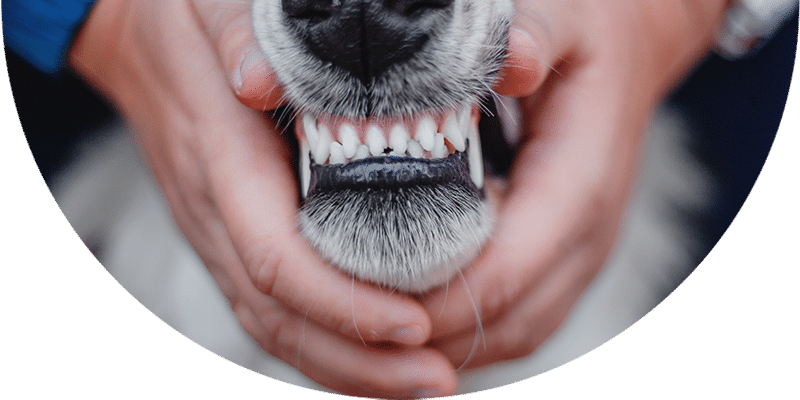
- Focus on brushing the upper teeth, especially along the gum line
- Dental treats can be helpful but should not replace brushing
Tips for At-Home Dental Care
- Brush your dog’s teeth daily using dog-specific toothpaste and toothbrushes
- Never use human toothpaste, as it’s not meant to be swallowed
- Focus on brushing the upper teeth, especially along the gum line
- Dental treats can be helpful but should not replace brushing
Contact Us for Your Dog’s Dental Health Needs
If you have any questions about your dog’s dental health or would like to schedule a check-up, please don’t hesitate to contact Love Animal Hospital & Urgent Care. We’re here to ensure your furry friend maintains a healthy smile!
Call us at (657) 756-5683 or visit us at 16161 Springdale St, Huntington Beach, CA 92649. For more information, check out our website at Love.vet.
Remember, a healthy mouth contributes to a happy, healthy dog!